Badge Logo Type: Crafting a Distinct Brand Mark
In the crowded landscape of digital assets, finding a design resource that offers both aesthetic quality and genuine utility is the real challenge. This is where the Badge Logo Type package stands out. It is not merely a collection of shapes; it is a versatile toolkit designed for modern branding. At its core, this asset leverages the power of the badge logo format—a style that conveys trust, heritage, and authority. Whether you are a seasoned graphic designer or a small business owner building your first identity, understanding how to use these templates effectively can save you hours of work and elevate your visual presence instantly.
The Visual Language of the Badge Logo Type
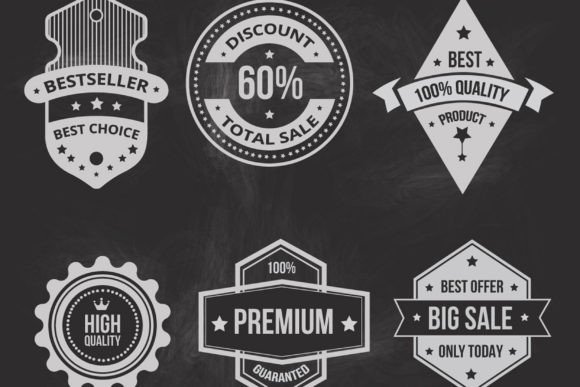
Badge-style logos operate on a psychology of containment. Unlike a standalone wordmark or an abstract icon, a badge encloses text and imagery within a defined border. This structure suggests completeness and reliability. The Badge Logo Type templates utilize clean lines and balanced proportions, ensuring that the final design feels professional rather than cluttered. The visual personality here is often vintage or artisanal, but with the right color scheme, it can be adapted to look hyper-modern and sleek.
Because these files are provided in AI and EPS vector formats, you are not limited to static images. Vector scalability means your badge will look crisp on a business card and equally sharp on a billboard. The CMYK color scheme is pre-configured, which is a subtle but critical detail for anyone moving from screen design to physical printing. It removes the guesswork and the risk of color shifting during the production process.
Practical Applications: From Packaging to Pixels
The versatility of the Badge Logo Type extends across nearly every medium. For entrepreneurs and crafters, these templates are ideal for packaging design. Imagine a coffee bag, a craft beer bottle, or a jar of artisanal jam; a well-designed badge immediately signals quality and care. The 5x5 inch size included in the package is a standard dimension that fits comfortably onto most product labels without requiring complex resizing.
For bloggers and content creators, the application shifts to digital branding. A badge logo works exceptionally well as a favicon, a profile picture, or a watermark on photography. Its contained shape makes it recognizable even at very small sizes—a common struggle with more intricate logo design styles. In social media graphics, badges create a strong focal point. You can use them to highlight a specific campaign, a "Sale" event, or a "New Arrival" section in your feed.
Optimizing for Editorial and Web Design
In editorial design and web design, consistency is king. The Badge Logo Type package allows you to maintain visual hierarchy without reinventing the wheel for every page. Use the badges to mark chapter headings in a digital magazine or to distinguish different categories on a blog. Because the files are 100% editable in Adobe Illustrator and other vector applications, you can adapt the badge to fit different content needs while keeping the core brand identity intact.
Technical Execution and Editing Workflow
One of the most practical features of this package is the instant download and the inclusion of a Help File Documentation. For those new to vector editing, the learning curve can be steep. However, the documentation bridges that gap. The files are structured to be intuitive; layers are organized, and text is editable, meaning you can swap out the placeholder copy for your own business name in minutes.
A common bottleneck in design production is font licensing. Many templates require you to purchase a separate commercial font to achieve the look shown in the preview. The Badge Logo Type package mitigates this by using a free font. This is a significant advantage for small business owners and hobbyists who want a premium font look without the recurring subscription costs. The included links allow you to download the exact typeface used, ensuring that the typography matches the intended design perfectly.
Strategic Branding: More Than Just a Pretty Picture
Choosing a design asset should be a strategic decision, not just an aesthetic one. When you adopt the Badge Logo Type style, you are choosing a design language that speaks to stability. This is particularly effective for service-based businesses—consultants, agencies, and freelancers—who need to project professionalism immediately. The structured nature of a badge helps in building brand recognition. Humans are wired to recognize shapes; a distinct badge shape creates a mental shortcut for your audience.
However, readability must remain your priority. A badge design can sometimes feel restrictive if you try to force too much information inside the border. My advice is to keep the text minimal. The badge is the frame; the text is the content. If you are using this for packaging design, ensure the font size is legible from a distance. The CMYK ready files ensure that your black text is truly black (rich black) and not a muddy dark gray, which is a common issue when converting RGB web designs to print.
Evaluating Fit and Font Pairing
Before finalizing your design, consider the font pairing. While the badge itself is a strong visual element, it rarely stands alone in a full design system. You will likely need a secondary typeface for body text on your website or flyers. Because Badge Logo Type often carries a strong personality—sometimes vintage, sometimes bold and modern—you should pair it with a neutral sans serif font or a clean serif font for long-form reading. This contrast prevents the design from becoming overwhelming.
Ultimately, the goal of using Badge Logo Type is to streamline your creative process. It provides a professional starting point that you can customize to fit your specific vision. Whether you are launching a new product line, refreshing a website, or creating merchandise for a fan base, these templates offer the flexibility and quality required to make a lasting impression.