Fashion Magazine Layout Design: Elevate Your Editorial Projects
The Anatomy of a Modern Editorial Powerhouse
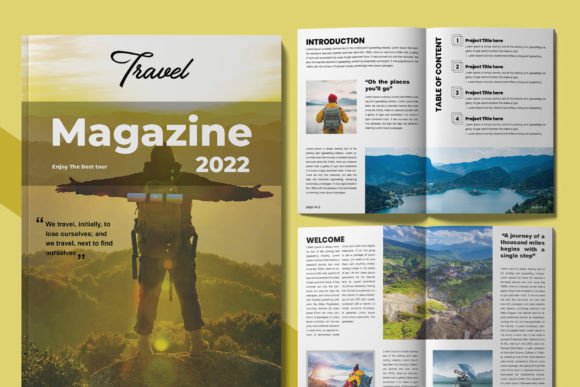
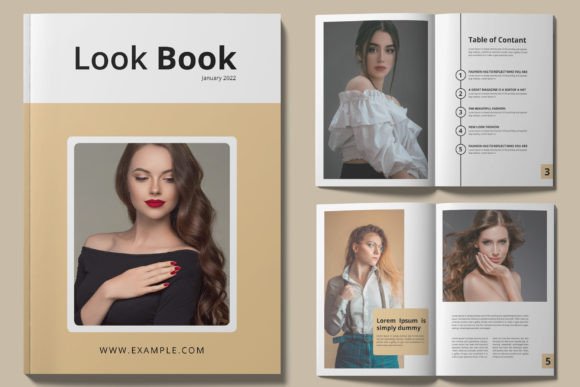
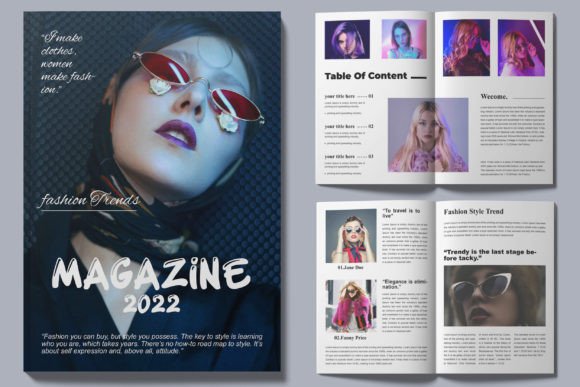
When you open a high-end fashion publication, the layout often speaks just as loudly as the photography. It isn't just about placing text next to images; it is about creating a rhythm that guides the reader's eye. A professional Fashion Magazine Layout Design template serves as the structural backbone for this visual storytelling. We are talking about a sophisticated framework that balances white space with content density. The visual personality here is distinctly contemporary and polished. It avoids clutter, relying instead on clean lines and a deliberate grid system to create that high-fashion aesthetic. This style usually favors a blend of strong serif headlines for authority and crisp sans-serif body text for modern readability. The overall appeal is one of exclusivity and expertise. It signals to the reader immediately that the content they are consuming is curated, authoritative, and visually significant.
Strategic Applications Across Industries
While the name suggests a niche use, the utility of a well-crafted Fashion Magazine Layout Design extends far beyond the runway. For the entrepreneur or small business owner, this template is a secret weapon for creating lookbooks or product catalogs. If you are launching a skincare line or a jewelry brand, presenting your products within this type of editorial framework elevates the perceived value of your merchandise. It transforms a simple product shot into a lifestyle narrative.
Marketers and content creators can leverage these assets to produce lead magnets or digital magazines that stand out in crowded inboxes. Instead of sending a plain PDF, you are delivering a reading experience. For bloggers, repurposing your top-performing content into a downloadable quarterly magazine using a Fashion Magazine Layout Design can significantly boost subscriber loyalty. It is also an exceptional resource for designers pitching to clients. Rather than explaining a concept, you can present a mockup that looks ready for the printer. The versatility allows it to adapt to corporate reports, artist portfolios, or wedding albums, provided the target audience appreciates a refined, sophisticated visual language.
Building Visual Hierarchy and Brand Perception
Design is rarely just about decoration; it is about communication. The structure of your layout dictates how your audience consumes information. A chaotic layout creates confusion, but a structured Fashion Magazine Layout Design enforces a clear visual hierarchy. It tells the reader, "Look at this image first, then read this headline, then digest this caption." This order is crucial for readability and audience engagement.
When you use a professional template, you are borrowing a sense of professionalism that might take weeks to build from scratch. This consistency is vital for brand identity. If your digital presence looks disjointed—your Instagram looks different from your newsletter, which looks different from your PDF guide—you dilute your brand message. Using a cohesive layout ensures that whether a client sees your work on a screen or in print, the brand recognition remains intact. It creates a subconscious association with quality and attention to detail.
Practical Guidance for Implementation
Integrating a Fashion Magazine Layout Design into your workflow requires more than just clicking "download." Here is how to get the most out of this design asset:
- Evaluate the Grid: Before you start dropping in content, look at the underlying grid. Does it support the amount of text you have? A layout heavy on imagery might look great, but if you are text-heavy, you need to ensure the columns can expand without looking cramped.
- Master Font Pairings: Even if the template comes with a free font, you might want to align it with your existing brand typography. The key to successful font pairing is contrast. If the template uses a modern sans-serif, try pairing it with a serif font for headlines to add a touch of tradition, or stick with a bold weight of the same family for a minimalist look.
- Utilize Layers: One of the biggest advantages of a well-organized layer structure is efficiency. You should be able to toggle visibility on and off for background textures or overlay elements easily. This is especially useful for creating variations of the same layout for different articles or sections.
- Check Color Modes: Ensure the template is set to CMYK if you are heading to the printer. If you are using it for web design or social media graphics, you will need to convert the color profile to RGB to ensure the colors pop on screen.
Technical Considerations and Workflow
The value of an instant download template is speed, but speed shouldn't compromise quality. When working with InDesign, take advantage of Paragraph and Character Styles. This allows you to change the font, size, or color of your headers across the entire document in seconds. It is the difference between a 2-hour edit and a 10-minute edit.
Furthermore, consider the commercial font licensing. If the template uses a premium font or a display font that isn't free for commercial use, you need to secure a license before publishing. Most professional templates include links to free fonts to avoid this hassle, but always double-check the documentation. If you are creating a logo design or packaging design based on the typography found in the magazine, verify that the license allows for logo usage. By treating the template as a flexible shell rather than a rigid container, you can adapt the Fashion Magazine Layout Design to fit any creative vision while maintaining the high standards of modern typography.