The Anatomy of a Modern Business Card Design
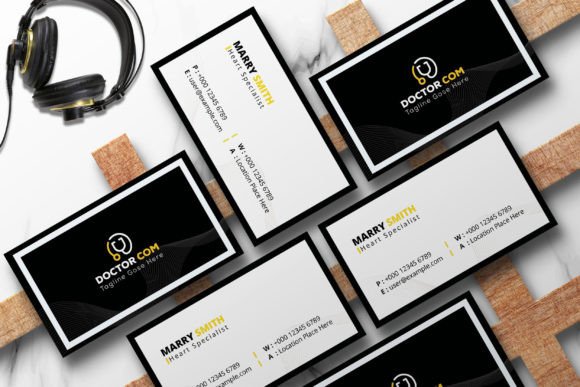
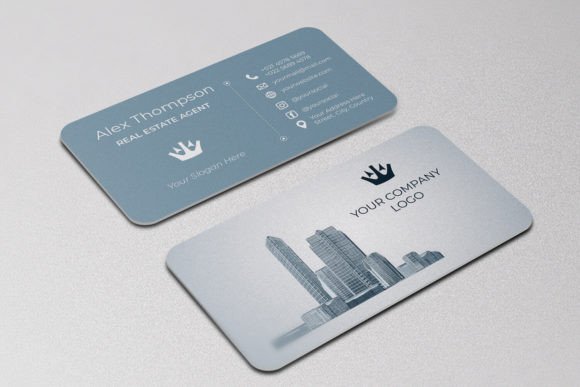
A business card is often the first tangible piece of your brand a potential client or collaborator encounters. It’s a handshake in paper form, a quick snapshot of your professionalism and aesthetic sensibility. In a world saturated with digital noise, a well-designed physical card can cut through and make a memorable impact. The foundation of that impact is a strong, versatile Business Card Design template that adapts to your unique identity while maintaining a clean, contemporary standard.
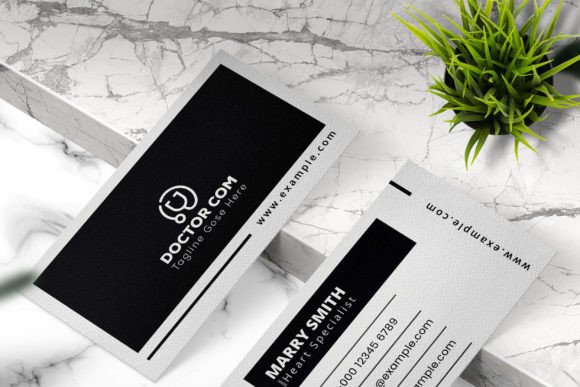
Think of a business card not just as contact information, but as a miniature brand ambassador. Its visual character—the choice of typeface, the balance of white space, the quality of the paper stock—communicates volumes before a single word is read. A clean, modern design prioritizes clarity and intentionality. It avoids visual clutter, using ample negative space to guide the eye naturally to the most important details: your name, your role, and how to connect. This approach ensures your card feels professional and approachable, never overwhelming or dated.
Where a Strong Template Excels
The true value of a multipurpose Business Card Design template lies in its adaptability. It’s not a one-size-fits-all solution, but rather a robust framework that serves as a launchpad for diverse projects. Consider a freelance graphic designer. They might use the template to create a card that showcases a subtle texture or a single accent color that reflects their personal style. For a corporate consultant, the same template can be customized with a company’s strict color palette and a more traditional serif font to convey authority and trust.
This flexibility extends across industries and applications. A bakery owner could use it for a card that feels warm and inviting, perhaps using a script font for the business name. A tech startup might leverage the clean lines to emphasize innovation and simplicity. Beyond traditional networking, these designs are perfect for event invitations, product launch announcements, or even as premium calling cards for artists and makers. The underlying structure ensures consistency, whether the card is for personal identity, professional branding, or advertising a specific service.
Making the Design Work for You
Choosing and customizing a template is a practical exercise in brand strategy. Start by evaluating the included font. A template that uses a free, high-quality sans serif font or serif font is a significant advantage, as it eliminates licensing worries and ensures the typeface is widely available for future edits. The typeface sets the tone—modern typography often favors clean sans-serifs for a contemporary feel, while a classic serif can add a touch of formality.
Next, consider the layout’s visual hierarchy. Does the design naturally guide the viewer’s eye from your name to your title, then to your contact details? Effective hierarchy is crucial for readability and ensures your information is absorbed quickly. Test the template by inserting your own details. Does it still feel balanced? Does the white space allow each element to breathe? A good template should accommodate varying lengths of text without becoming cramped.
Think about font pairing. While a template may suggest a specific combination, the best ones allow for easy swaps. If the primary font is a strong display font, you might pair it with a more neutral body font for the details. The goal is contrast without conflict, creating a harmonious typography system that enhances the overall brand perception. Always check the print-ready specifications: CMYK color mode and included trim and bleed guidelines are non-negotiable for professional printing. These technical details separate a hobbyist project from a polished, professional result.
Finally, view the business card as part of a larger ecosystem. The design assets you use here should inform your other materials—your website, social media graphics, and packaging. A cohesive visual language builds brand recognition and consistency. By starting with a well-structured, fully customizable template, you’re not just creating a card; you’re laying a cornerstone for your entire brand identity. It’s a practical, efficient step toward presenting a unified and professional face to the world.